Understanding Spice Profiles in Bloody Mary Mix: Heat vs Flavor Complexity
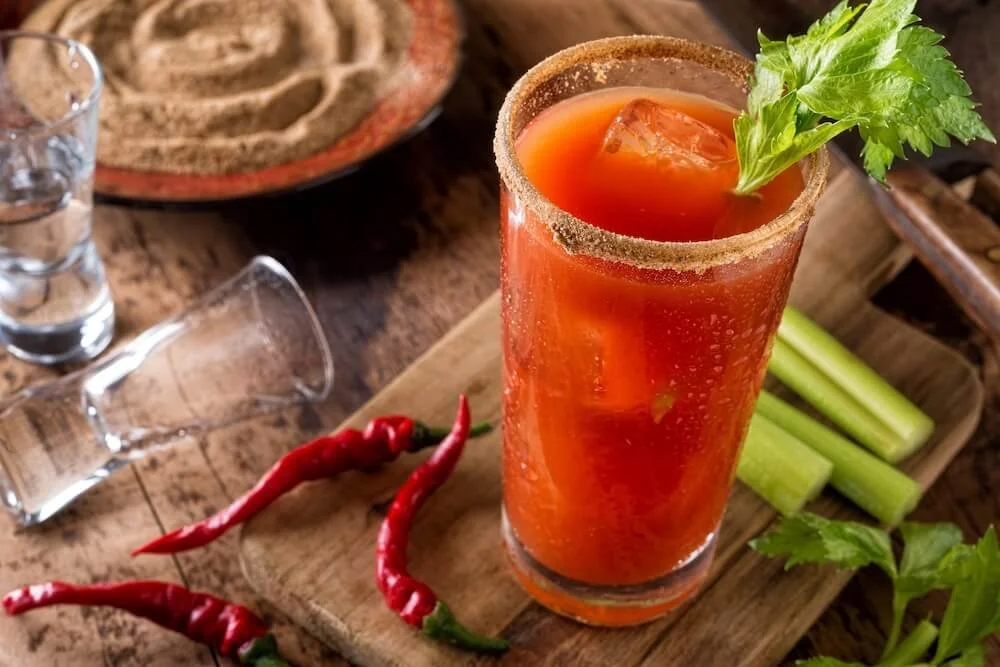
A spicy Bloody Mary isn't the same as a flavorful Bloody Mary. Some drinks burn your mouth with one-dimensional heat. Others deliver complex layers of spice that make you want another sip.
The difference comes down to understanding spice profiles. Heat is just one component of a well-balanced Bloody Mary. True flavor complexity requires multiple spice categories working together. Learning how different spices contribute helps you create Bloody Marys that taste sophisticated rather than simply hot.
The Four Categories of Bloody Mary Spice
Professional mixologists organize Bloody Mary spices into four categories: heat, savory, aromatic, and acidic. Each plays a specific role in the final flavor profile.
Heat sources provide the burn and tingle you feel. These include black pepper (15,000-30,000 Scoville units), cayenne pepper (30,000-50,000 SU), hot sauce (varying levels), and horseradish (different compound: allyl isothiocyanate). Heat wakes up your palate and creates intensity.
Savory components add depth and umami. Worcestershire sauce, celery salt, garlic powder, and onion powder provide glutamate compounds that make drinks taste fuller. These ingredients activate umami receptors on your tongue.
Aromatic elements contribute fragrance and subtle flavor. Celery seed, dried herbs, smoked paprika, and fresh herbs contain volatile oils that you smell before tasting. Aromatics make your Bloody Mary appealing from the first whiff.
Acidic agents brighten the entire drink and balance richness. Lemon juice (pH 2.0-2.6), lime juice (pH 2.0-2.4), pickle brine, and vinegar prevent the drink from tasting flat.
Single-note Bloody Marys focus too heavily on one category. A drink with excessive hot sauce but no Worcestershire tastes harsh. A drink with plenty of savory elements but no acid tastes heavy and dull.
"Most people think Bloody Marys are just about making things spicy, but real complexity comes from layering different types of heat with savory and aromatic elements," says Jeffrey Grieve, owner of Jeffs Best Bloody Mary & Michelada Concentrate. "That's what we focused on when developing our concentrate."
Heat Sources and Their Distinct Characteristics
Different heat sources create different sensations measured by specific chemical compounds.
Black Pepper contains piperine, which creates a sharp, immediate heat on the front of your tongue. The heat dissipates in 30-60 seconds, leaving a slightly woody, piney flavor. Freshly cracked black pepper (tellicherry peppercorns recommended) tastes 40% more intense than pre-ground because volatile oils haven't oxidized.
White Pepper provides subtle, lingering warmth from the same piperine compound but with different aromatics. The heat builds gradually and sits further back on your tongue. Use white pepper when you want warmth without visible black specks.
Cayenne Pepper (30,000-50,000 Scoville) creates a bright, quick burn from capsaicin that affects your whole mouth. The heat peaks at 2-3 minutes, then fades. Cayenne adds fruity, slightly sweet undertones.
Hot Sauce Varieties vary dramatically:
Tabasco Original: 2,500-5,000 SU, vinegary with sharp edge
Louisiana-style (Crystal, Frank's): 450-900 SU, mild and aged
Habanero sauces: 100,000-350,000 SU, intense heat with fruity notes
Jalapeño-based: 2,500-8,000 SU, green pepper flavor
Horseradish produces nasal heat from allyl isothiocyanate rather than capsaicin. This compound vaporizes and affects your sinuses differently from mouth burn. Fresh horseradish contains 30-40% more pungency than prepared jarred versions.
Savory and Umami Components
Savory ingredients contain glutamate compounds (measured in mg per 100g) that activate umami taste receptors.
Worcestershire Sauce (690mg glutamate/100g) contributes deep, fermented complexity. The sauce contains tamarind, molasses, anchovies, garlic, and spices aged 18 months. This combination creates layers impossible to replicate with single ingredients.
Celery Salt combines ground celery seed with salt at a typically 3:1 ratio. The celery provides herbaceous, slightly bitter notes from apigenin compounds that complement the tomato's natural glutamates.
Garlic Powder (properly dried at 140°F) adds savory depth without raw bite. Each teaspoon contains approximately 1,020mg glutamate. Black garlic powder (aged 30+ days) provides even more complex, sweet-savory notes.
Onion Powder contributes 680mg glutamate per 100g, providing subtle sweetness and savory foundation.
Soy Sauce or Tamari (1,090mg glutamate/100g) can boost umami with 3-5 dashes. Use sparingly to avoid Asian-inspired flavor.
Aromatic and Herb Elements
Aromatics create fragrance through volatile essential oils measured in parts per million (ppm).
Celery Seed contains 2-3% essential oils (primarily d-limonene and selinene) that taste concentrated and slightly bitter. Combined with salt, it becomes the signature Bloody Mary seasoning.
Dill contributes carvone compounds (2.5-4% of dried dill by weight) with fresh, herbal notes. Pickle brine combines dill aromatics with acidity.
Smoked Paprika adds color and subtle smokiness from controlled smoking at 140-160°F. This provides complexity without obvious smoke flavor.
Fresh Herbs (basil, cilantro, thyme) can be muddled in small amounts. Use 3-4 leaves maximum, or they overpower the drink.
Acidic and Brightening Agents
Acid balances flavors and prevents heaviness. Target pH for finished Bloody Mary: 4.0-4.3.
Lemon Juice (pH 2.0-2.6) provides clean, bright acidity with limonene compounds. Most recipes call for lemon because citric acid concentration (5-6%) complements tomato better than lime.
Lime Juice (pH 2.0-2.4) works well in micheladas. The flavor is sharper with higher citric acid (6-7%).
Pickle Brine adds both acidity from vinegar (pH 3.0-3.5) and brininess. The combination brightens while adding a savory dimension.
Commercial Bloody Mary Mix Problems
Mass-market Bloody Mary mixes sacrifice complexity:
Excessive Salt: Many contain 600-900mg of sodium per serving versus 300-400mg in quality products. High sodium masks poor ingredients and numbs taste buds.
MSG Shortcuts: Monosodium glutamate (pure 99.6% glutamate) replaces real savory ingredients. While not harmful, it's a shortcut that avoids actual Worcestershire, garlic, and onion.
Artificial Heat: Pepper oleoresin extracts (standardized capsaicin) taste harsher than real spices. The burn hits hard but lacks nuanced flavor.
Preservatives: Sodium benzoate and potassium sorbate (0.1% typical concentration) extend shelf life but contribute slight chemical notes detectable in blind taste tests.
Testing Spice Complexity Yourself
Evaluate Bloody Mary spice profiles using this method:
Initial Taste (First 5 seconds): Note which flavors hit first. Balanced drinks show tomato, then spice, then savory. Poorly balanced drinks hit with salt or heat immediately.
Mid-Palate (5-15 seconds): Identify savory depth. Do you taste Worcestershire? Garlic? Celery? Or just tomato and salt?
Finish (15-30 seconds): Notice lingering flavors. Quality Bloody Marys leave pleasant spice, warmth, and savory notes. Poor versions leave a burning or salty aftertaste.
Aroma Test: Smell before tasting. Balanced drinks show aromatics of celery, pepper, and tomato. One-dimensional drinks smell only of tomato or vinegar.
Troubleshooting Spice Imbalance
Too Hot: Add tomato juice (dilutes all flavors proportionally). Don't add sugar, which creates a sweet-hot imbalance.
Too Bland: Add Jeffs Best Concentrate in 1/4 oz increments. Taste between additions.
Too Salty: Add unsalted tomato juice and lemon juice. Salt can't be removed, only diluted.
One-Dimensional: Missing savory depth usually means insufficient Worcestershire or celery salt. Add 1/4 tsp celery salt first.
Harsh Burn: Too much straight hot sauce creates a sharp burn. Balance with horseradish for nasal heat variety.
Frequently Asked Questions
What Scoville level is ideal for Bloody Marys?
Most people prefer 2,000-5,000 Scoville units in the finished drink, equivalent to mild jalapeño heat. This provides noticeable warmth without overpowering other flavors. Spice enthusiasts enjoy 8,000-15,000 SU (serrano pepper range). Above 20,000 SU becomes extreme and masks subtlety.
Why does my homemade Bloody Mary taste flat compared to bar versions?
You're likely missing umami depth from insufficient Worcestershire sauce or celery salt. Bars typically use 2-3x more Worcestershire than home recipes suggest. Try doubling your Worcestershire and adding 1/4 teaspoon celery salt per drink.
Can I make Bloody Marys spicier without making them taste worse?
Yes, by layering different heat types rather than just adding more cayenne. Combine black pepper (tongue heat), horseradish (nasal heat), and small amounts of hot sauce. This creates complex heat rather than a one-dimensional burn. Jeffs Best Concentrate uses this layered approach.
What's the difference between heat and spice in Bloody Marys?
Heat refers to capsaicin burn from peppers (measured in Scoville units). Spice includes all flavor compounds: aromatic (celery, herbs), savory (Worcestershire, garlic), and acidic (lemon, vinegar), plus heat. A "spicy" Bloody Mary should be complex, not just hot.
How do I reduce the heat in an overly spicy Bloody Mary?
Add more tomato juice to dilute. A 50/50 mix with fresh tomato juice cuts the heat in half while maintaining other flavors. Don't add dairy, as it can create an unpleasant texture. Lemon juice helps balance harsh heat by providing acid to cut through the burn.
Why do some Bloody Marys burn my mouth while others just taste flavorful?
Capsaicin concentration and type determine this. Low-quality mixes use pepper extract (pure capsaicin) that burns intensely. Quality mixes use whole spices that provide heat plus flavor compounds. Jeffs Best uses real peppers rather than extracts, creating warmth with flavor.
Order Jeffs Best Bloody Mary & Michelada Concentrate Today!
Discover the difference between heat and complexity with Jeffs Best Bloody Mary & Michelada Concentrate. Our small-batch formula layers black pepper, cayenne, and real spices for sophisticated flavor rather than one-dimensional burn. The concentrate delivers bar-quality balance every time. Order now with free shipping on all orders.