What Makes Premium Tomato Juice for Bloody Marys: Quality Factors That Matter
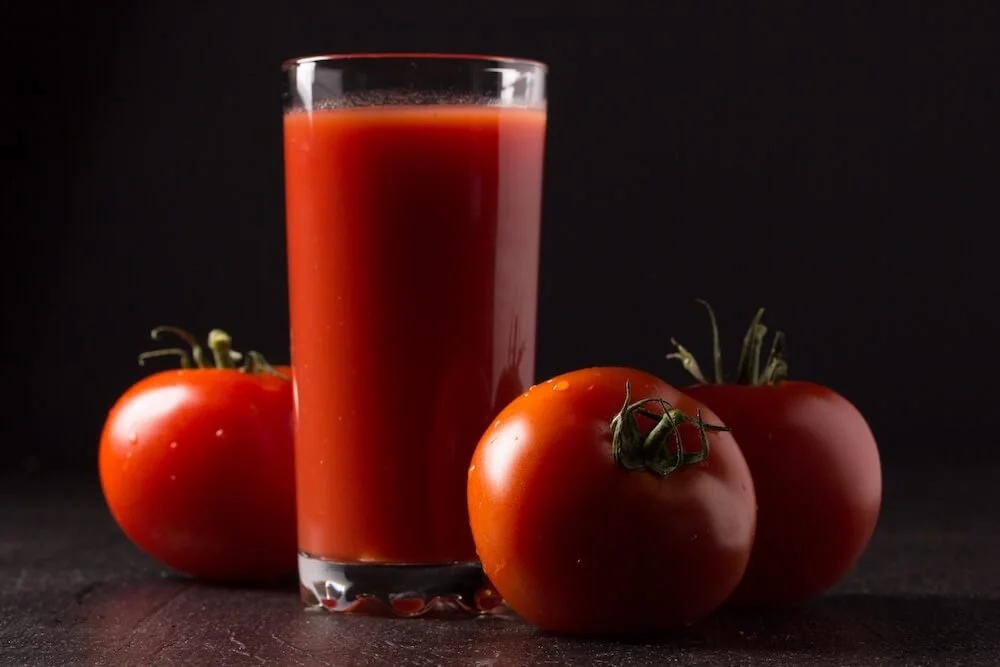
Your Bloody Mary is only as good as the tomato juice you use. You can use the finest concentrate, top-shelf vodka, and Instagram-worthy garnishes, but if your tomato juice tastes flat or watery, the entire drink falls apart.
Understanding what separates premium tomato juice from budget options helps you create truly exceptional Bloody Marys. The tomato juice you choose affects flavor, texture, color, and how well it mixes with spices and spirits.
Tomato Variety and Growing Conditions
Roma tomatoes dominate commercial tomato juice production because they contain 5-6% higher solids content than beefsteak varieties, according to USDA data. This creates juice with better body and richer flavor.
California's Central Valley produces approximately 95% of the processing tomatoes grown in the United States, according to the California Tomato Growers Association. The region's Mediterranean climate with hot, dry summers concentrates natural sugars and acids, creating consistent flavor profiles year-round.
Premium juice makers sometimes use heirloom varieties like Brandywine or Cherokee Purple. These offer higher sugar content, measured in degrees Brix at 5.5-6.5, compared to 4.5-5.0 for commercial varieties. You'll pay more, but the flavor difference is noticeable.
Vine-ripened tomatoes develop fuller flavor than tomatoes picked green and ripened with ethylene gas. Premium juice producers use tomatoes left on the vine until 90-100% color development, while commercial growers pick at the "breaker stage" for easier shipping.
"The tomato juice you choose makes or breaks your Bloody Mary," says Jeffrey Grieve, owner of Jeffs Best Bloody Mary & Michelada Concentrate. "We designed our concentrate to work with quality tomato juice because we know that foundation matters."
Processing Methods and Freshness Standards
Cold-pressed juicing uses hydraulic pressure (3,000-6,000 PSI) to extract juice without heat. Studies show cold-pressed juice retains approximately 25-30% more vitamin C than heat-processed alternatives while maintaining brighter, fresher taste.
Flash pasteurization (HTST) heats juice to 161°F for 15-30 seconds, then rapidly cools it. This kills bacteria while minimizing flavor damage. Traditional pasteurization holds juice at similar temperatures for several minutes, which dulls taste more noticeably.
Shelf-stable juice requires ultra-high temperature processing at 280°F or higher. While convenient, this intense heat affects flavor molecules. Refrigerated juice undergoes less aggressive treatment and generally tastes fresher.
"Not from concentrate" labels indicate juice made directly from fresh tomatoes rather than reconstituted paste. The FDA requires this distinction. Fresh-made juice typically tastes better, though high-quality concentrate-based options can still perform well.
Thickness and Texture
Premium tomato juices have a viscosity of 600-800 centipoise (cP), while budget options measure 300-500 cP. Thicker juice creates more substantial drinks that carry spices better and resist dilution from ice.
V8 vegetable juice offers more body than plain tomato juice because it includes carrot, celery, beet, parsley, lettuce, watercress, and spinach. Many professional bartenders prefer V8 specifically for this enhanced thickness and vegetable complexity.
Some manufacturers add thickening agents like modified food starch, xanthan gum, or pectin. Check ingredient labels if you want pure tomato juice. Quality products achieve thickness naturally through tomato variety selection and processing methods.
Natural Flavor Versus Additives
Pure tomato juice should contain only tomatoes, salt, and, if needed, citric acid for pH control. Budget options often include "natural flavors," which can legally mean almost anything derived from plant or animal sources.
Salt content varies from 140mg to 700mg of sodium per 8-ounce serving. Look for options with 400mg or less per serving for better control over your Bloody Mary's saltiness. Excessive sodium masks poor tomato flavor, creating a one-dimensional taste.
Avoid products listing added sugar or high-fructose corn syrup. Tomatoes contain 3-5% natural sugars, so quality juice needs no sweetener additions.
"We formulated Jeffs Best to complement quality tomato juice, not compensate for poor juice," Grieve explains. "When you start with good tomato juice and add our concentrate, you get a balanced Bloody Mary without fighting artificial flavors or excessive salt."
Acidity and Sugar Balance
Tomato juice typically has a pH of 4.1 to 4.6. This acidity provides brightness that makes Bloody Marys taste lively. The FDA requires tomato juice with a pH below 4.6 for safe processing.
Natural sugar content (Brix) typically ranges from 4.5 to 5.5 for commercial juice. Premium juices from vine-ripened tomatoes reach 5.5-6.5 degrees Brix, tasting sweeter and richer without added sugar.
Most commercial juices include 0.05-0.15% citric acid to maintain consistency and preserve color. This addition is normal and beneficial.
Brand Comparisons and Buying Guide
Sacramento Tomato Juice (Premium - $4.50-5.50 per 46oz) Thick viscosity, rich tomato flavor, minimal additives. Preferred by professional bartenders. Best for special occasions.
Campbell's Tomato Juice (Budget - $2.50-3.50 per 46oz) Thinner texture, lighter taste, widely available. Adequate for casual use and high-volume service.
V8 Original (Mid-Range - $3.50-4.50 per 46oz) Enhanced body from vegetables, complex flavor. Good balance of price and quality for regular home use.
Organic Brands (Premium - $5.00-7.00 per 32oz) Fresh taste, cold-pressed options, minimal processing. Best for organic preferences and maximum flavor.
Clamato (Specialty - $3.00-4.00 per 32oz) Tomato-clam hybrid for Caesars and micheladas. Briny, umami-rich character.
How to Evaluate Tomato Juice Quality
Test juice quality yourself using this method:
Visual: Pour into a clear glass. Quality juice shows a deep red color without separation.
Aroma: Should smell like fresh tomatoes, not cooked or metallic.
Texture: Swirl the glass. Thick juice coats the glass and moves slowly.
Taste: Sample at room temperature. Note the balance between sweet, acid, and salt.
Mixing: Create a test Bloody Mary. Quality juice integrates smoothly without separating.
Common Mistakes to Avoid
• Don't assume all tomato juice tastes the same. Brand differences are dramatic.
• Avoid choosing based solely on price. Mid-range brands often provide the best value for quality.
• Read ingredient lists carefully. Additives significantly affect flavor.
• Don't buy more than you'll use in one week. Tomato juice degrades after opening.
• Always refrigerate juice 24 hours before mixing. Warm juice requires excessive ice, which dilutes it.
• Check expiration dates. Old juice tastes flat even if unopened.
Storage and Freshness
• Store unopened juice in a cool, dark pantry. Refrigerated juice requires continuous cold storage.
• After opening, refrigerate immediately and use within 5-7 days for best flavor.
• Watch for signs of oxidation: darkening, separation, or off smells. Discard degraded juice.
• Glass containers preserve quality better than plastic. Tomato juice freezes well for up to 3 months.
Frequently Asked Questions
What's the best tomato juice brand for Bloody Marys?
Sacramento tomato juice ranks highest among professional bartenders. V8 Original provides excellent results at a lower cost and wider availability. For special occasions, choose Sacramento or organic cold-pressed. For regular use, V8 delivers great value.
Can I use tomato sauce or paste instead of tomato juice?
No. Sauce and paste are too thick and undergo different cooking methods, which fundamentally change their flavors. You could thin paste with water at a 1:6 ratio in emergencies, but the results won't match proper tomato juice.
Is V8 better than plain tomato juice for Bloody Marys?
V8 works excellently because the added vegetables create more body and complexity. The celery juice particularly complements bloody mary spices. Many bartenders prefer it. Plain tomato juice offers simpler, more focused tomato flavor. Try both.
Should tomato juice be refrigerated before mixing?
Yes. Refrigerate for at least 24 hours before mixing. Cold juice (38-42°F) prevents over-dilution and creates properly chilled drinks. Room-temperature juice (70°F+) requires 2-3 times as much ice, resulting in watery Bloody Marys.
How long does opened tomato juice last?
Opened juice maintains peak quality for 5-7 days refrigerated in an airtight container. Use within 3-4 days for the best Bloody Mary results. Write the opening date on the bottle. Spoilage signs include darkening, separation, a sour smell, or fizzing.
Buy Jeffs Best Bloody Mary & Michelada Concentrate today
Elevate your Bloody Marys with premium tomato juice and Jeffs Best Bloody Mary & Michelada Concentrate. Our small-batch concentrate brings expertly balanced spice to any quality tomato juice. The all-natural formula uses real spices and zero artificial additives. Order now and enjoy free shipping on all orders.